Dry Rot Remediation in Overland Park, KS
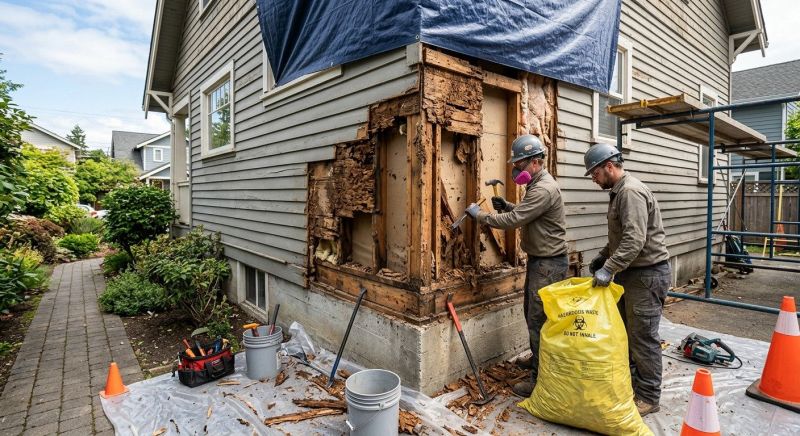
Dry rot remediation services focus on identifying and eliminating wood decay caused by certain fungi that thrive in damp, poorly ventilated areas. These services typically cover projects involving damaged framing, beams, joists, and other wooden structures within homes or commercial buildings. Property owners usually want to understand the extent of the damage, the causes of moisture buildup, and the necessary steps to remove affected wood and prevent future issues. Proper assessment and targeted treatment help restore structural integrity and protect the property from further deterioration.
Before requesting dry rot remediation, homeowners should gather information about the visible signs of decay, such as soft, crumbling wood, discoloration, or musty odors. It is also helpful to understand the areas affected, whether they are in basements, crawl spaces, attics, or exterior structures, and to consider any ongoing sources of moisture, like leaks or poor drainage. Clear communication about these details can support an effective remediation plan aimed at safeguarding the property's durability and value.
Many property owners in Overland Park, KS look into Dry Rot Remediation for repairs, replacements, upgrades, and appearance-related improvements.
Understanding Dry Rot
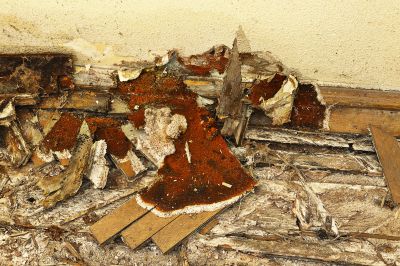
Dry rot is a type of wood decay caused by fungal growth that can weaken structural components in homes.
Signs Of Dry Rot
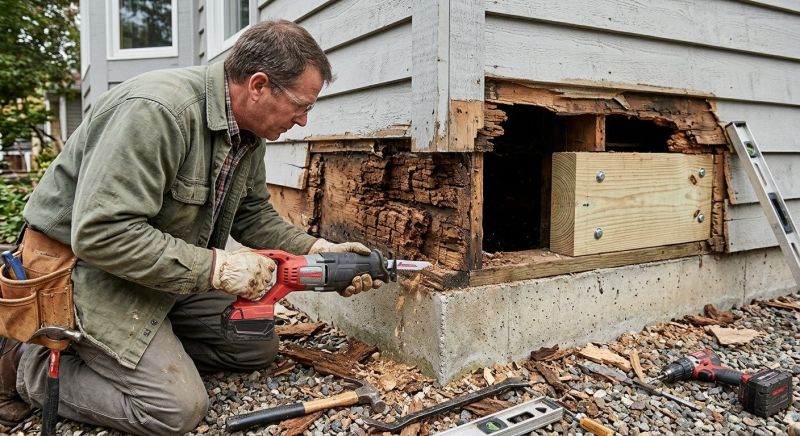
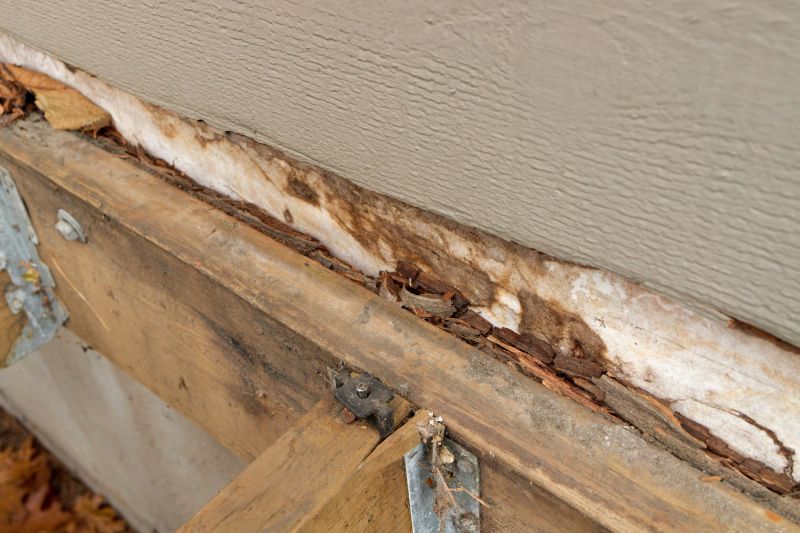
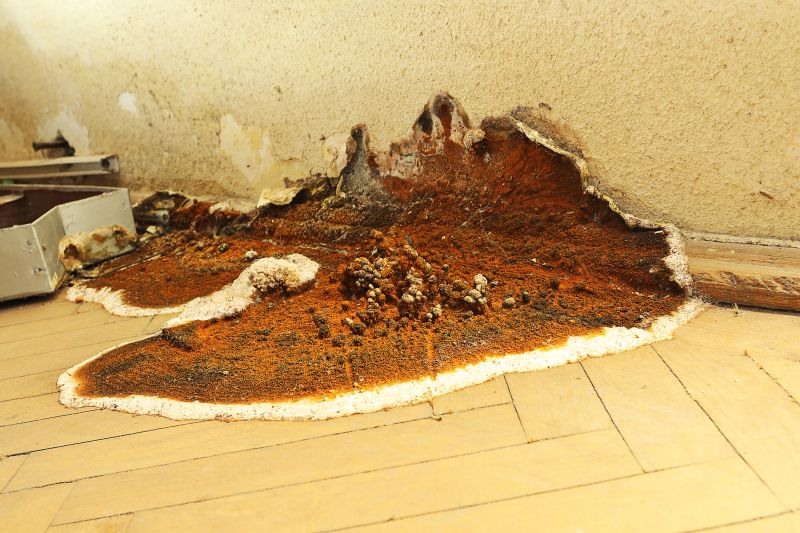
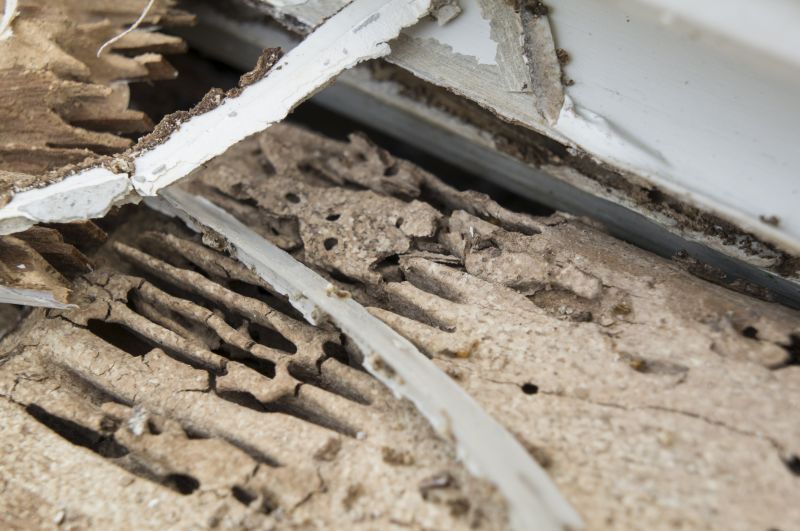
Common indicators include soft or crumbly wood, musty odors, and visible fungal growth in affected areas.
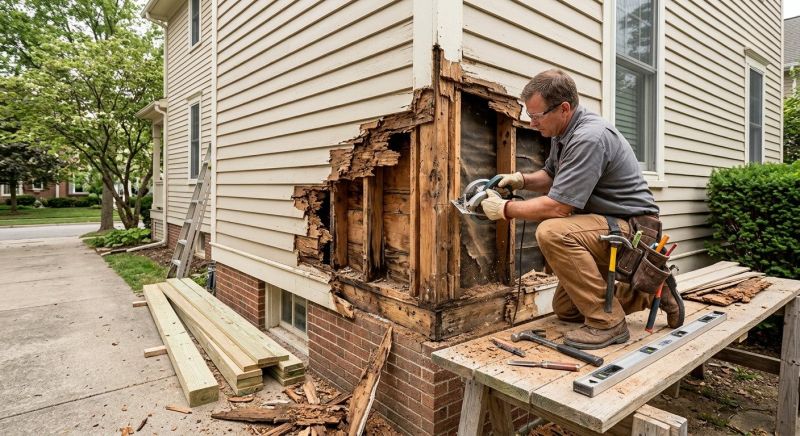
Remediation Solutions
Effective dry rot treatment involves removing affected materials, addressing moisture sources, and restoring structural integrity.
Dry Rot Remediation in Overland Park, KS
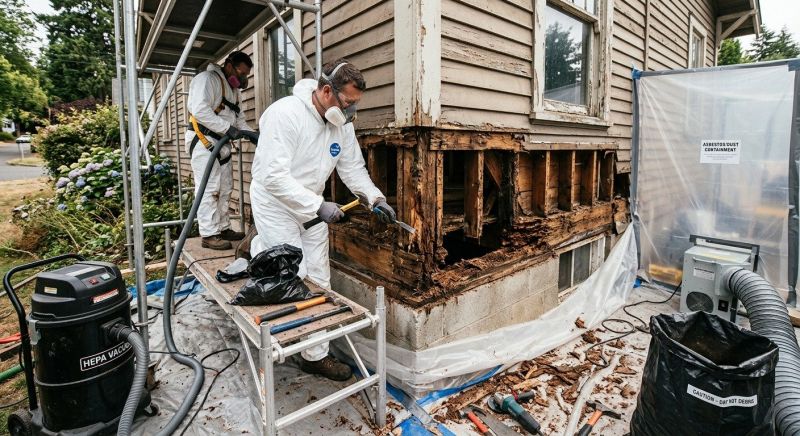
Dry rot remediation services focus on identifying and eliminating wood decay caused by certain fungi that thrive in damp, poorly ventilated areas. These services typically cover projects involving damaged framing, beams, joists, and other wooden structures within homes or commercial buildings. Property owners usually want to understand the extent of the damage, the causes of moisture buildup, and the necessary steps to remove affected wood and prevent future issues. Proper assessment and targeted treatment help restore structural integrity and protect the property from further deterioration.
Before requesting dry rot remediation, homeowners should gather information about the visible signs of decay, such as soft, crumbling wood, discoloration, or musty odors. It is also helpful to understand the areas affected, whether they are in basements, crawl spaces, attics, or exterior structures, and to consider any ongoing sources of moisture, like leaks or poor drainage. Clear communication about these details can support an effective remediation plan aimed at safeguarding the property's durability and value.
Many property owners in Overland Park, KS look into Dry Rot Remediation for repairs, replacements, upgrades, and appearance-related improvements.
Common Dry Rot Remediation Jobs
Dry Rot Remediation - involves removing and replacing wood affected by dry rot to prevent structural damage.
Structural Repairs - addresses compromised framing and supports to restore building integrity.
Moisture Control - includes identifying and fixing sources of excess moisture that promote dry rot growth.
Wood Treatment - applies treatments to affected areas to inhibit future fungal development.
Inspection Services - thorough assessments to detect dry rot early and evaluate the extent of damage.
Preventive Solutions - offers recommendations to reduce moisture and prevent recurrence of dry rot.
Dry Rot Remediation Questions
What is dry rot? Dry rot is a type of wood decay caused by fungi that can weaken structural components in buildings.
How can dry rot be identified? Signs include wood that appears cracked, shriveled, or has a musty smell, often accompanied by visible fungal growth.
Is dry rot dangerous for property owners? Yes, if left untreated, dry rot can compromise the integrity of wood structures and lead to costly repairs.
What areas are most susceptible to dry rot? Commonly affected areas include basements, attics, bathroom walls, and any location with excess moisture or poor ventilation.
Request Dry Rot Remediation in Overland Park, KS
Use the quote form on this page to share the basics of your project and request more information for the type of work you need.